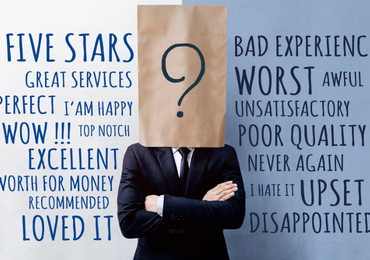

Customer loyalty is the heartbeat of long-term business success. Yet, recent studies reveal a surprising mismatch: while leaders believe consumer loyalty is stronger than ever, customers themselves don’t share the same sentiment. According to a study reported by Customer Experience Dive, nearly 90% of executives think loyalty has increased in recent years, but only 39% of consumers share that view. This growing gap between leaders and consumer loyalty isn’t just a perception issue. It represents a serious threat to retention, revenue, and brand reputation.
Loyal customers provide businesses with measurable and lasting value. They not only return more frequently but also recommend brands to friends and family, amplifying reach and credibility. Retaining customers also reduces acquisition costs, making loyalty an efficient growth driver. So, the benefits are clear: higher retention, positive word-of-mouth, and increased revenue and profitability
Research from Harvard Business Review in “The New Science of Customer Emotions” shows that emotionally connected customers are even more valuable, they spend more, stay longer, and engage more deeply with a brand. This underscores the importance of investing in loyalty not just as a metric, but as a strategy for sustainable growth.
Consider the hospitality sector. A guest who feels genuinely cared for is more likely to return to the same hotel chain, even when cheaper alternatives exist. Their loyalty translates into repeat stays, glowing reviews, and personal recommendations to friends and family. This ripple effect is far more powerful than any single marketing campaign.
In other industries, from retail to tech, the story is the same: loyal customers create stability during downturns and momentum during growth periods. In short, loyalty amplifies resilience.
The real challenge is how loyalty is defined. Leaders usually rely on transactional metrics: repeat purchases, participation in rewards programs, or customer lifetime value. These are measurable but often shallow.
Consumers, however, view loyalty emotionally. For them, it’s about trust, personal connection, and consistent delivery. Often, loyalty forms at the very first interaction with a product or service, long before a loyalty card or discount comes into play. As noted in Forbes’ article “Customer Loyalty Comes From An Emotional Connection”, true loyalty comes from these emotional bonds, not just from purchases or rewards. This misalignment explains why many loyalty programs underperform. Leaders design them around points and perks, but consumers crave recognition, personalization, and authentic experiences. No surprise that half of executives now predict their loyalty programs may be obsolete within three years.
A real-world example comes from retail. A clothing brand may launch a generous rewards app, but if customers consistently feel ignored by in-store staff or disappointed by product quality, no amount of points will keep them engaged. The perception of loyalty must be built on emotional satisfaction, not only numbers.
When businesses undervalue emotional loyalty, they risk more than missed opportunities. As highlighted in the Harvard Business Review article “Are You Undervaluing Your Customers?”, companies often prioritize short-term profits over customer value, which can erode trust, loyalty, and long-term revenue.
In the digital age, these risks multiply quickly. A single negative customer experience can be amplified through social media, review sites, and peer networks, undoing years of brand investment.
Closing the gap between leaders and consumer loyalty requires shifting from metrics to emotions. Here are six proven strategies:
The gap between leaders and customer loyalty highlights a critical truth: metrics alone can’t capture the full reality of customer relationships. Consumers define loyalty through emotions, trust, and experiences, not just transactions. Businesses that understand how customers feel, not just how they act, will earn something far deeper than repeat business. They’ll earn trust. And in a world full of choices, trust is the ultimate form of loyalty.