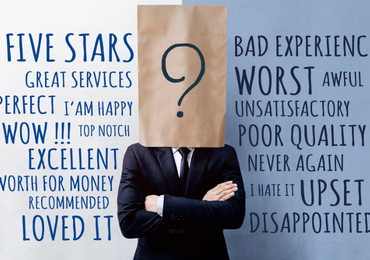

The customer journey has become one of the most discussed concepts in customer experience, yet many organizations still manage it as a series of disconnected interactions rather than one continuous story. While businesses have become increasingly sophisticated at measuring individual touchpoints, true competitive advantage comes from understanding how those moments connect to shape loyalty, advocacy, and long-term value.
Many organizations proudly track Net Promoter Score (NPS), Customer Satisfaction (CSAT), online reviews, operational KPIs, and employee engagement. Individually, these metrics provide valuable insights. Together, however, they often resemble puzzle pieces that have yet to be assembled.
Research from Harvard Business Review found that companies excelling in customer experience focus less on optimizing isolated touchpoints and more on managing the end-to-end customer journey. Customers rarely judge an interaction in isolation; they remember how the entire experience unfolded.
For hospitality businesses, this distinction is particularly important.
A guest’s journey begins long before they arrive at the property. It starts when they search online, browse your website, compare reviews, or contact your reservations team. Every interaction shapes expectations before they even step into the lobby.
The journey continues through:
Each chapter influences the next. Improving one moment while neglecting another rarely delivers the experience customers remember.
Organizations today are surrounded by data. Guest feedback, online reviews, operational metrics, CRM platforms, employee surveys, and social sentiment all provide valuable signals.
The challenge isn’t collecting information. It’s connecting it.
According to McKinsey & Company, organizations that successfully manage the entire customer journey can significantly improve customer satisfaction while also reducing service costs and increasing employee engagement. The greatest value comes from understanding how different interactions influence one another, not simply measuring them independently.
↪ Consider this example.
A hotel may receive excellent room ratings while its overall satisfaction and sentiment scores continue to decline. Investing further in room upgrades may seem like the obvious solution. However, journey analysis might reveal that guests are becoming frustrated during check-in, waiting too long for housekeeping requests, or experiencing inconsistent communication before arrival.
The problem was never the room. It was the journey.
Leading organizations are moving beyond traditional dashboards toward integrated customer intelligence. Rather than asking “What happened?”, they ask “Why did it happen, and what happened next?”
This shift enables businesses to identify hidden patterns that individual reports rarely reveal.
Some of the most valuable insights emerge when organizations combine:
When these datasets work together, organizations gain a much clearer picture of where friction exists and which moments have the greatest impact on loyalty.
As Hoick frequently highlights, experience management becomes far more powerful when organizations connect operational data with human experience data rather than treating them as separate initiatives.
One of the biggest misconceptions in customer experience is that every touchpoint carries equal weight.
It doesn’t. Some interactions disproportionately influence how customers remember an experience.
Research by PwC shows that customers value speed, convenience, consistency, and friendly service above many traditional differentiators. These moments often determine whether customers return, recommend your brand, or quietly choose a competitor.
For hospitality leaders, this means focusing investment where it matters most.
Rather than attempting to improve everything simultaneously, prioritize the moments that shape the overall perception of the customer journey.
↪ Ask yourself:
These questions often uncover opportunities that individual performance metrics never expose.
Technology has made measuring customer experience easier than ever. Artificial intelligence can summarize thousands of guest comments in seconds, dashboards update in real time, and analytics platforms surface trends faster than ever before.
But technology alone doesn’t create better experiences.
The organizations pulling ahead are those that transform customer journey data into strategic decisions. They don’t simply monitor performance; they understand the relationships between people, processes, and perceptions.
Because customers don’t remember your KPIs. They remember how every interaction made them feel.
The organizations that learn to read the entire customer journey, not just individual chapters, will be the ones that build stronger loyalty, create meaningful differentiation, and turn customer experience into a lasting competitive advantage.