
Social sentiment is the metric most brands claim to track, but in reality, few truly understand.
A campaign can trend. A post can go viral. Engagement can spike dramatically over the course of a week. And yet, beneath those surface indicators of performance, something far more important may be shifting: trust.
Trust does not rise and fall with impressions. It is shaped by interpretation, how customers process your messaging, how they evaluate your behavior, and how they describe their experiences with your brand to others. That description unfolds in comment sections, reply threads, stitched videos, community forums, and reviews. It unfolds in the unfiltered language customers use when they are speaking to each other, not to you.
Most organizations invest heavily in crafting the message. Far fewer invest in analyzing its reaction. That imbalance creates blind spots. Because brand trust is not determined by what you publish, but by what people believe after they have engaged with you.
If you want to understand whether your brand equity is strengthening or eroding, you cannot stop at campaign metrics. You have to study the conversation.
Campaign dashboards measure distribution. Social sentiment measures interpretation.
When a marketing report highlights reach, clicks, and conversions, it tells you what happened. It does not tell you how your audience felt about it, whether it reinforced credibility, or whether it introduced doubt.
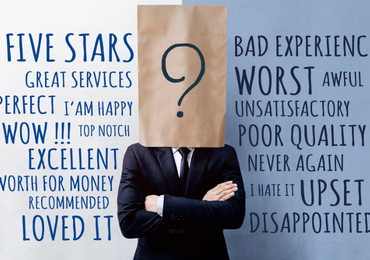
Social sentiment provides that missing layer of insight. It captures the tone, emotion, and recurring narratives embedded in public responses. It surfaces patterns that indicate whether customers trust your claims, question your motives, or feel disconnected from your messaging altogether.
This distinction is critical because trust is cumulative. It is built, or weakened, through repeated interactions. A single campaign rarely determines brand trajectory. But the sentiment expressed across campaigns over time reveals whether your positioning is resonating or whether there is a growing gap between promise and experience.
For example, a brand may launch a campaign centered on customer obsession. The creative is compelling. Engagement is high. Yet the comments repeatedly reference unresolved support tickets, delayed responses, or inconsistent service. The campaign performs. The sentiment contradicts it.
That contradiction is not noise. It is strategic intelligence.
When analyzed properly, social sentiment exposes:
It answers the question executives should be asking: Are we reinforcing trust with every interaction, or slowly eroding it?
Every brand articulates a narrative about who it is and what it stands for. Mission statements, value propositions, sustainability commitments, customer-centric pledges; these are declarations of intent.
Social sentiment tests whether those declarations are believed.
The gap between what a brand says and what customers say about that brand is the trust gap. And it is visible in real time.
When sustainability messaging is met with skepticism about sourcing practices, the issue is not creative execution; it is credibility. When diversity campaigns prompt comments questioning leadership representation, the issue is not reach; it is alignment.
These moments are often uncomfortable. They challenge internal assumptions. But they are also invaluable. Because sentiment does not simply highlight dissatisfaction, it reveals expectations. It shows where customers believe you should be better.
Ignoring that feedback does not make it disappear. It compounds it.
Brands that treat comment sections as clutter miss the opportunity to diagnose emerging risk early. Brands that treat them as data gain foresight.
There is a fundamental difference between social monitoring and social analysis. Monitoring counts mentions. It tracks spikes. It flags anomalies. That is operationally useful.
Strategic analysis goes further. It identifies recurring themes, emotional intensity, and cross-platform consistency. It connects sentiment patterns to operational decisions, product development, and customer experience design.
High-performing organizations do not confine social sentiment to the marketing function. They integrate it into broader decision-making frameworks. If customers repeatedly express frustration with onboarding, that insight informs the product team. If loyalty narratives surface consistently, that insight informs retention strategy. If trust concerns trend upward, that signals leadership attention.
In this context, social sentiment becomes more than a marketing metric. It becomes an early warning system and a competitive advantage.
Because trust rarely collapses overnight. It declines gradually, visible first in language, tone, and narrative shifts long before it appears in revenue.
Campaigns create awareness. Conversations create credibility.
In a market where transparency is public and permanent, brands are evaluated not only on what they say, but on how they respond. Silence communicates. Defensiveness communicates. Consistency communicates.
Social sentiment captures all of it.
Organizations that rely solely on performance metrics are measuring attention. Organizations that analyze sentiment are measuring belief. And belief is what sustains brand equity over time.
If you are not systematically analyzing social sentiment, you are inferring trust from incomplete data.
The most resilient brands understand that trust is not embedded in the campaign itself. It is embedded in the collective response to it.
And that response is written in the comments.