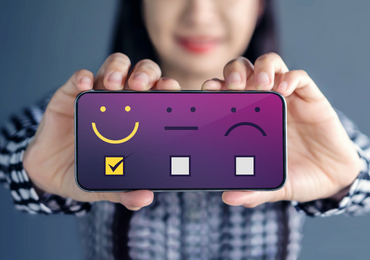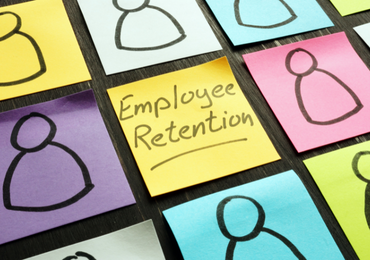

Employees are no longer just part of the organization, they are the driving force behind its success. The future of work is often framed around flexibility, remote options, hybrid models, and autonomy. But flexibility alone is no longer enough. What truly matters is how employees experience work every single day. Their needs, challenges, and expectations are constantly evolving, and organizations that fail to keep up risk losing connection with what they actually need. Research from Harvard Business Review shows that organizations that prioritize the employee experience see measurable improvements in profitability, resilience, and growth, underscoring the direct impact on business performance. This marks a clear shift: the future is not just flexible, it is responsive to people in the organization.
Most organizations still rely on traditional systems to understand their team members:
While these methods provide structure, they fail to capture the reality of the daily workplace experience. An employee can feel motivated one week and completely disengaged the next. Waiting months to capture that shift means organizations often respond too late. For example, a team member who starts experiencing burnout won’t suddenly report it in a survey. Instead, their energy drops, their engagement declines, and eventually, they begin to disconnect. By the time feedback is formally collected, the issue has already escalated. According to Forbes, burnout often builds gradually and goes unnoticed until it begins to impact performance, engagement, and retention. Because these signals develop over time, organizations that fail to stay closely connected to their professional experience risk reacting too late.
Leading organizations are changing how they listen to the workforce. Instead of asking them to reflect on the past, they focus on what they are experiencing in the moment.
This shift allows organizations to:
Imagine a team going through a high-pressure project. Real-time feedback highlights that employees are feeling overwhelmed. Instead of waiting for results to drop, a manager adjusts priorities, redistributes workload, or simply acknowledges the effort. These small actions make a big difference. According to Deloitte, organizations need to move beyond annual engagement surveys and adopt ongoing, continuous listening approaches to capture timely employee feedback. Without consistent, real-time insights, companies risk missing early warning signs of issues such as burnout, disengagement, and productivity loss. Because when team members are supported in the moment, problems don’t have time to grow.
Listening to team members is only valuable if insights follow the action. One of the biggest challenges organizations face is not collecting employee feedback, but acting on it. They quickly notice when their input leads nowhere. And when that happens, they stop engaging.
Organizations that succeed with employee feedback focus on three things:
Even small changes, like improving communication within a team or recognizing consistent effort, build trust when they are backed by action.
Employees do not become advocates because of branding campaigns or internal messaging. They become advocates because of what they experience. When people feel heard, supported, and valued, they naturally start to speak positively about where they work.
Think about employees who:
These team members don’t just stay longer, they actively promote the organization through conversations, recommendations, and everyday interactions. And that kind of advocacy is more powerful than any external campaign.
The conversation about the future of work often focuses on structure. But structure alone doesn’t create great workplaces. Employees do. Flexibility gives your team options. Responsiveness shows they matter. Organizations that prioritize real-time understanding of employees are better equipped to adapt, improve, and grow. Because when organizations stay connected to employees, they don’t just react, they evolve.
The future of work is not defined by major transformations alone, it is shaped by everyday interactions with team members. When organizations listen continuously, act quickly, and adapt intelligently, they do more than improve processes. They build trust. They strengthen culture. They turn your people into long-term advocates. And in an environment where expectations evolve daily, the organizations that succeed will be those that never stop responding to their workforce.