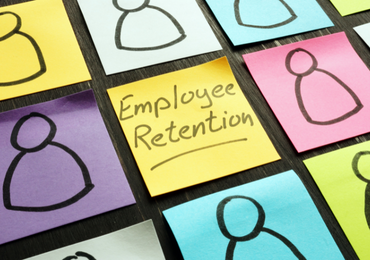

The heartbeat of a successful workplace is employee engagement. Somewhere along the way, we started confusing exhaustion with dedication. Staying late became a loyalty. Answering emails at midnight became a commitment. Burnout became a badge. This hustle culture, glorified in boardrooms and startup pitches alike, has embedded itself into workplace DNA. It’s dressed up as productivity, but the truth? High-performing teams aren’t the ones that work the hardest, they’re the ones that feel heard, trusted, and supported.
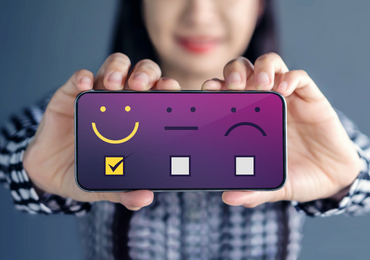
The modern workplace runs on data, but not just dashboards and KPIs. If you’re paying attention, there’s a quieter data stream running in the background: what employees are saying, feeling, and sometimes not saying at all. When you look closely at employee feedback across different industries, patterns begin to form. Not in spreadsheets, but in sentiment. Tired, frustrated, unheard. Not from a lack of willingness to work or laziness, but from the feeling that effort is being extracted and not valued. It’s a signal that employee engagement is weakening over time. You can’t build long-term success on short-term adrenaline. When employees are constantly in overdrive, performance doesn’t rise. You hear it in everyday comments, silence in meetings, or the sudden lack of feedback from once-engaged team members. Left uncontrolled, burnout doesn’t just lead to tiredness, triggers turnover, apathy, and ultimately, a breakdown in employee engagement. As Harvard Business Review notes, burnout is shaped by the workplace, not the individual, yet too often it’s treated like a personal failure.
It’s not a people problem. It’s a culture problem. And it needs to be addressed before your best talent quietly walks away.
Burnout isn’t a side effect of high performance. The most engaged teams aren’t the ones putting in the longest hours, they’re the ones working with purpose, autonomy, and trust. Real employee engagement doesn’t come from pushing harder. It comes from building better systems. And the shift starts with listening. Not once a year. Not just when problems surface. But continuously, through short touchpoints, emotion-driven check-ins, and open-ended feedback. Because data alone won’t tell you that your people are overwhelmed, uncertain, or quietly burning out. But their words will. When organizations start treating employee sentiment as strategy, not just HR input, the culture begins to change. People feel heard. Leaders make smarter decisions. Engagement becomes sustainable, not performative. Open-ended feedback offers something metrics can’t: context. Clarity. Honesty. And when teams are given space to speak freely and often, they don’t just participate, they belong.So if you want to build a culture that lasts, start here: Listen, deeply and often. Act with intention. And make engagement a conversation, not a KPI.
Burnout is not a side effect of ambition. Real engagement happens when people feel seen and valued, not when they’re pressured to prove their worth through overwork. Sustainable success isn’t about pushing harder, it’s about working smarter.
Here’s what rethinking hustle culture could look like:
Engaged teams are built on real-time understanding. And that means tracking more than tasks and targets.
When emotional data is given the same weight as operational metrics, everything changes.
That’s when decisions become human-centered. That’s when cultures become resilient.
And that’s when employee engagement starts driving real results.
In today’s world of work, productivity isn’t powered by pressure, it’s powered by people. When organizations stop glorifying burnout and start prioritizing emotional insight, the entire culture shifts. Engagement stops being a buzzword and becomes a lived experience.
The truth is simple: people don’t disengage overnight. It happens gradually, when they feel unheard, undervalued, and unseen. But with intentional listening, ongoing feedback, and a commitment to well-being, that pattern can be reversed. The future of employee engagement isn’t built on hustle. It’s built on trust, transparency, and real connection. Listen well. Act meaningfully. Lead with empathy. Because when you build a culture where people are safe to speak and empowered to be themselves, they don’t just stay. They thrive. And that’s how the most successful workplaces are built, not on burnout, but on belonging. It’s not hustle that powers the future of work, it’s humanity.